Welcome to the Karapau Product Appreciation Room
We live surrounded by things that seem easy to obtain and, therefore, easy to discard. Abundance has created the illusion of infinite replacement: if something is lost, it is bought again; if something breaks, it is thrown away. This logic of disposal is the great flaw of our time, and it is also the root of many of the environmental problems we face. But the truth is simple and harsh: what has no value is not cared for. What is not cared for does not remain. Sustainability, for us, is not just about reducing impact. It is about creating value. Because when something is recognized as valuable, it is never again treated as disposable.
Karapau is born against the current. We reject the idea that a rare and precious food can be treated as trivial.
We believe that every detail — from the packaging that protects it to the gesture of the person serving it — should carry meaning. It is this meaning that transforms the product into something greater than itself: a symbol of awareness, permanence, and respect.
In this room, we invite you to reflect on the invisible role of appreciation. We're not just talking about recyclable materials, reusable boxes, or conscious consumption choices.
We are talking about what happens when we attribute dignity to a product: it ceases to be a disposable good and becomes a cultural asset, a silent legacy that connects the past, present, and future.
Appreciation, therefore, is more than an aesthetic detail: it is a political, environmental, and social act. It is an antidote to haste, waste, and banality. It is also a way of educating the eye: when one learns to value a rare food, one also learns to value human labor, natural resources, and the time that makes them possible.
When everything has value, nothing is disposable. Want to discover how we take care of what remains?
Packaging as a conscious choice
Less plastic, more purpose.

Packaging is often treated as an invisible accessory: a means to an end. But for Karapau, it's an essential part of the experience. Not just for what it contains, but for what it represents.
Our commitment is clear: to use reusable and recycled paper as a structural base, and to reduce plastic to an absolute minimum. This means carefully considering every detail — from the choice of texture to the type of closure, from the origin of the materials to their destination after consumption.
Packaging should protect, but it should also educate. Every time a customer touches the recycled paper, they feel the difference. They realize that what surrounds the product is not superfluous, but a conscious gesture. This touch becomes a silent message: sophistication lies not in excess, but in caring for the origin and the end.
And because beauty can also be useful, we design packaging that extends: jars that become containers, boxes that find new functions, materials that continue to live. Thus, the cycle ceases to be linear and becomes circular.
Boxes that prolong stories
From packaging to everyday life

In most consumer systems, transportation is seen as something disposable: boxes that live for a moment and disappear. Karapau chooses a different path.
We create reusable transport boxes, designed to integrate into the customer's daily life.
These boxes are more than just containers. They are sturdy, stylish, and multifunctional. They can store bottles, organize documents, protect items, or simply be a part of a home environment.
When reused, they extend the life cycle of materials and reduce waste.
More than that, they are symbols of a new way of thinking: even what seemed ephemeral can have permanence. And this permanence is, in itself, a narrative of sustainability.
The value that it preserves
Respect so as not to waste.

Waste always stems from devaluation. What is not seen as worthy is treated as disposable. What is rare and significant is cared for until the end.
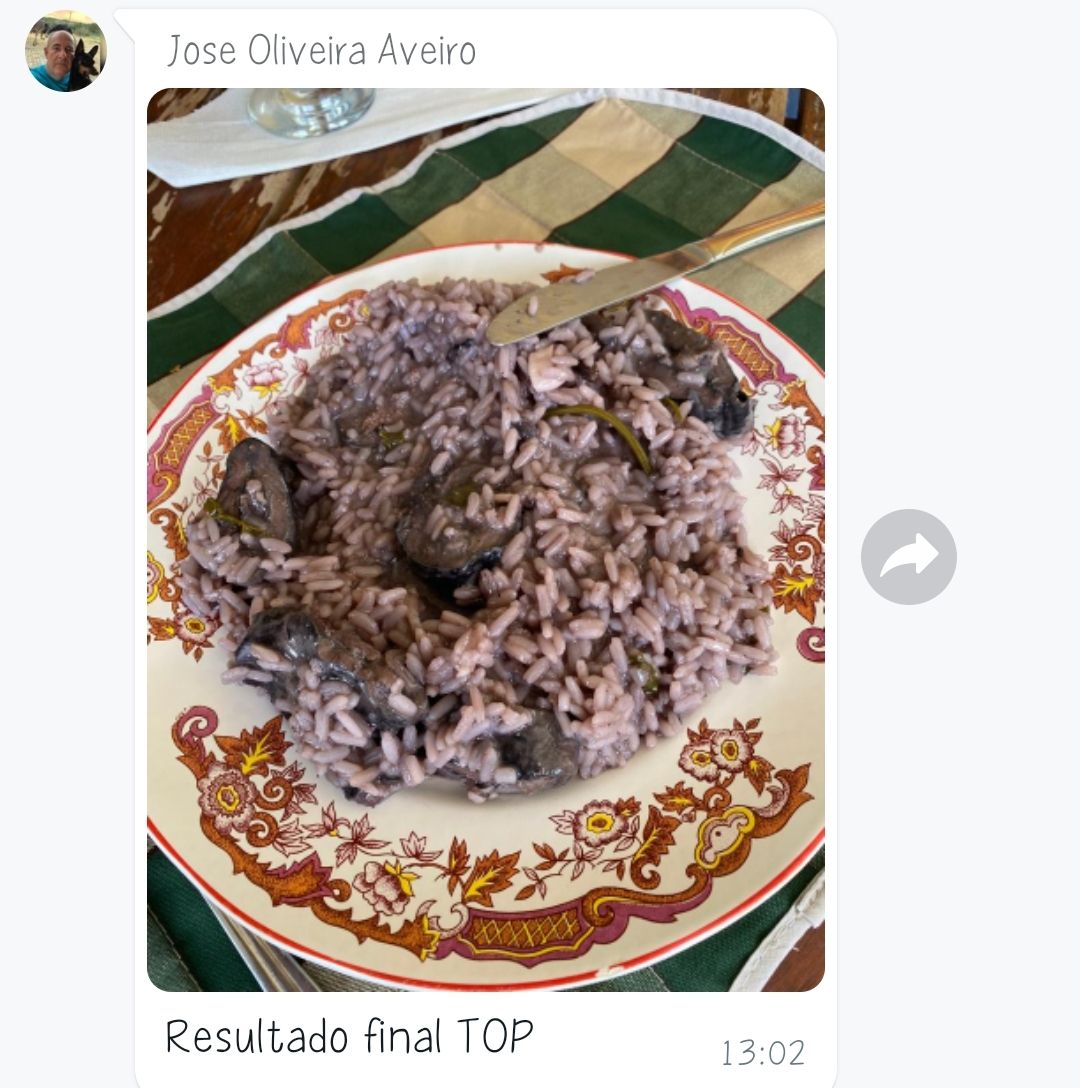
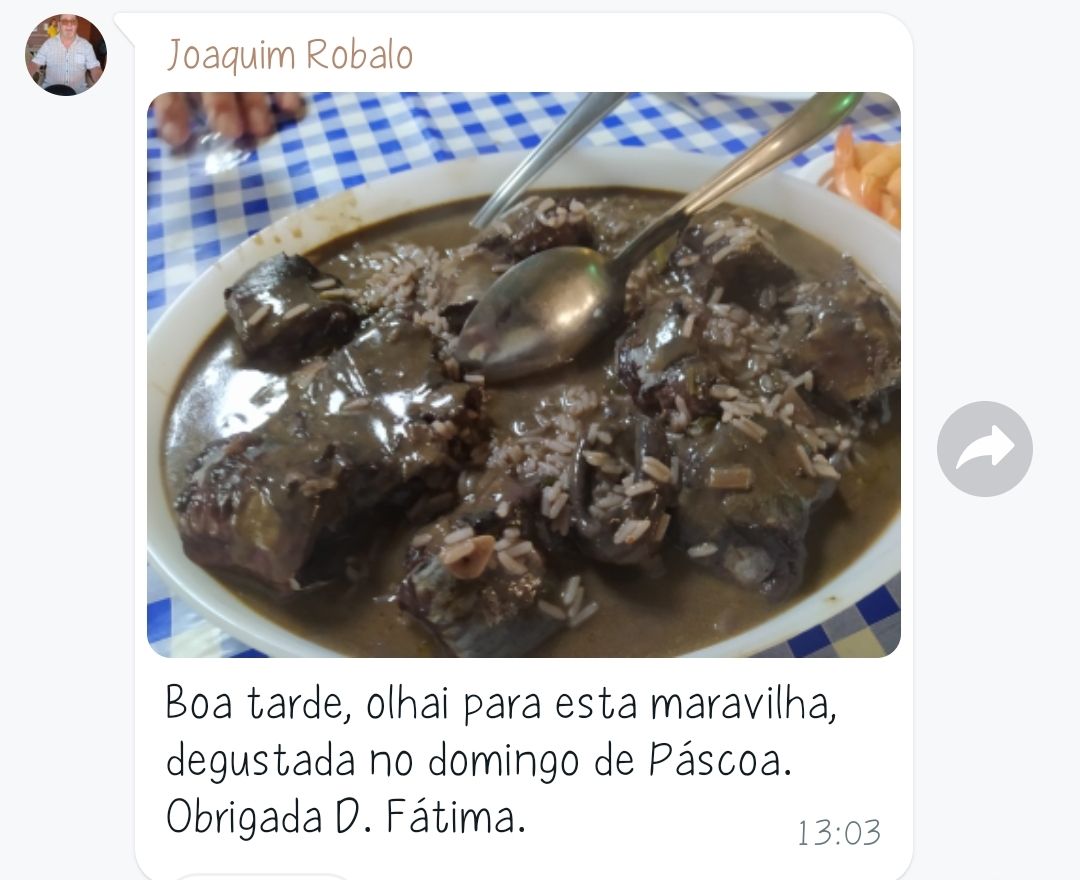
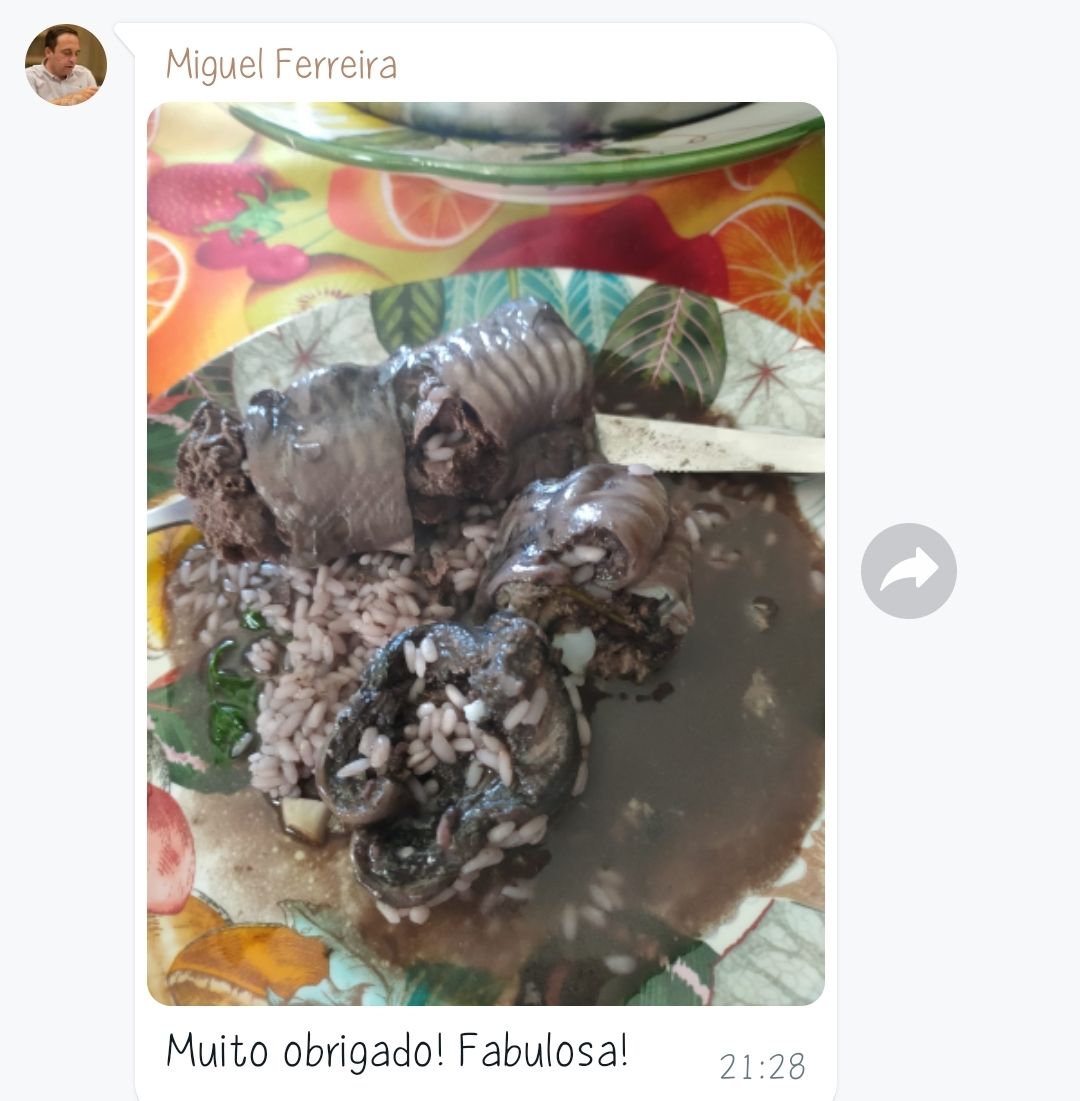
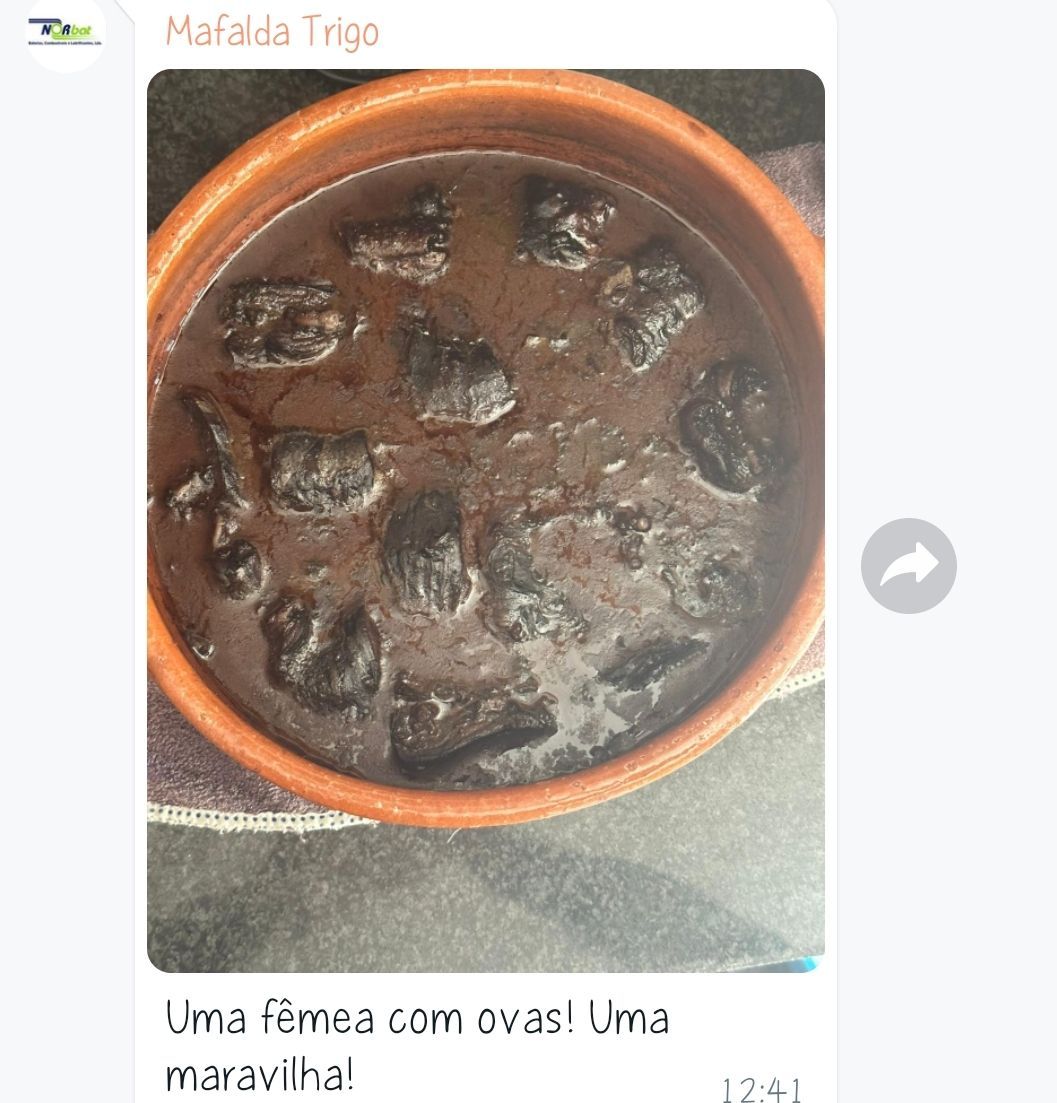
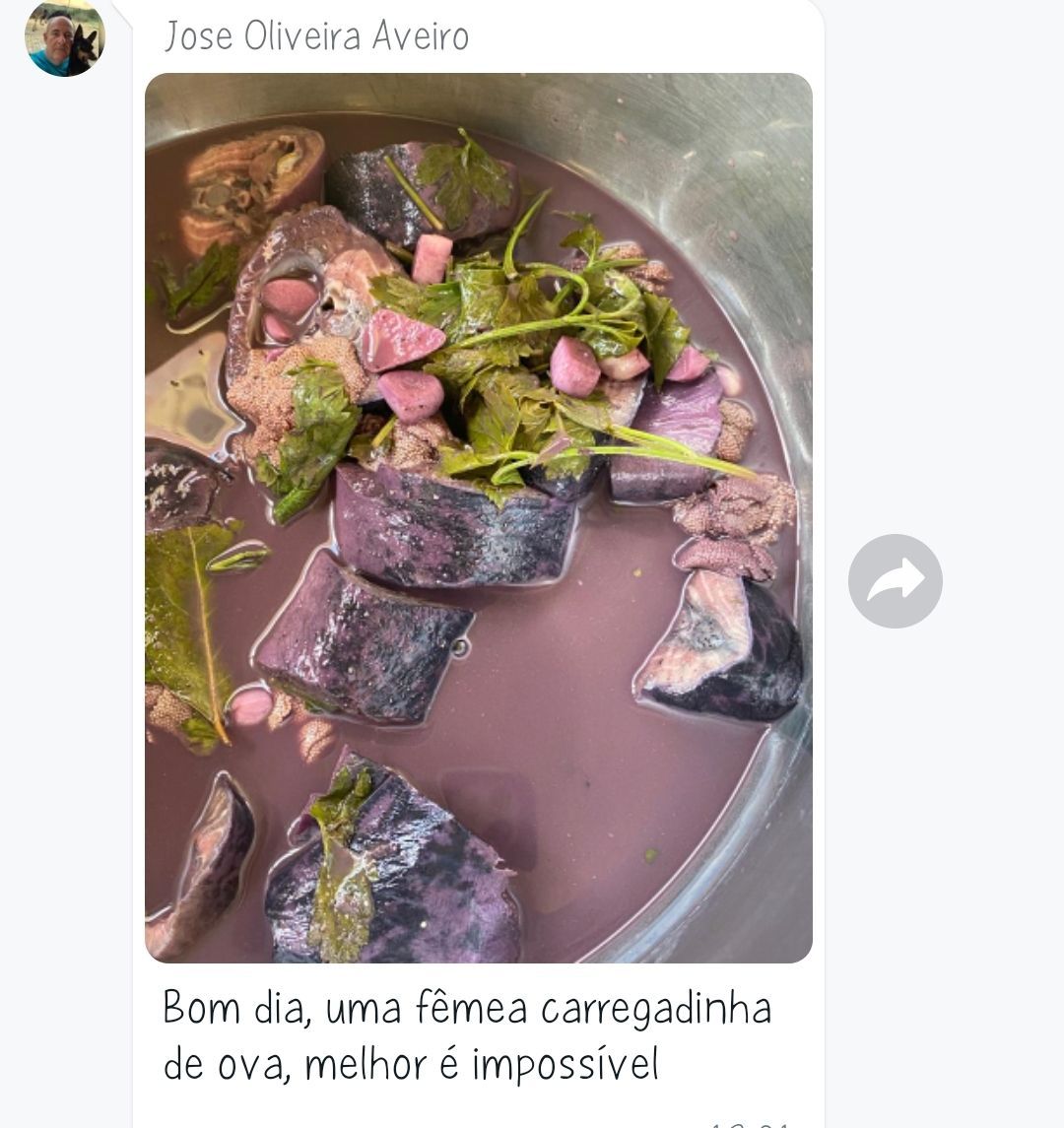
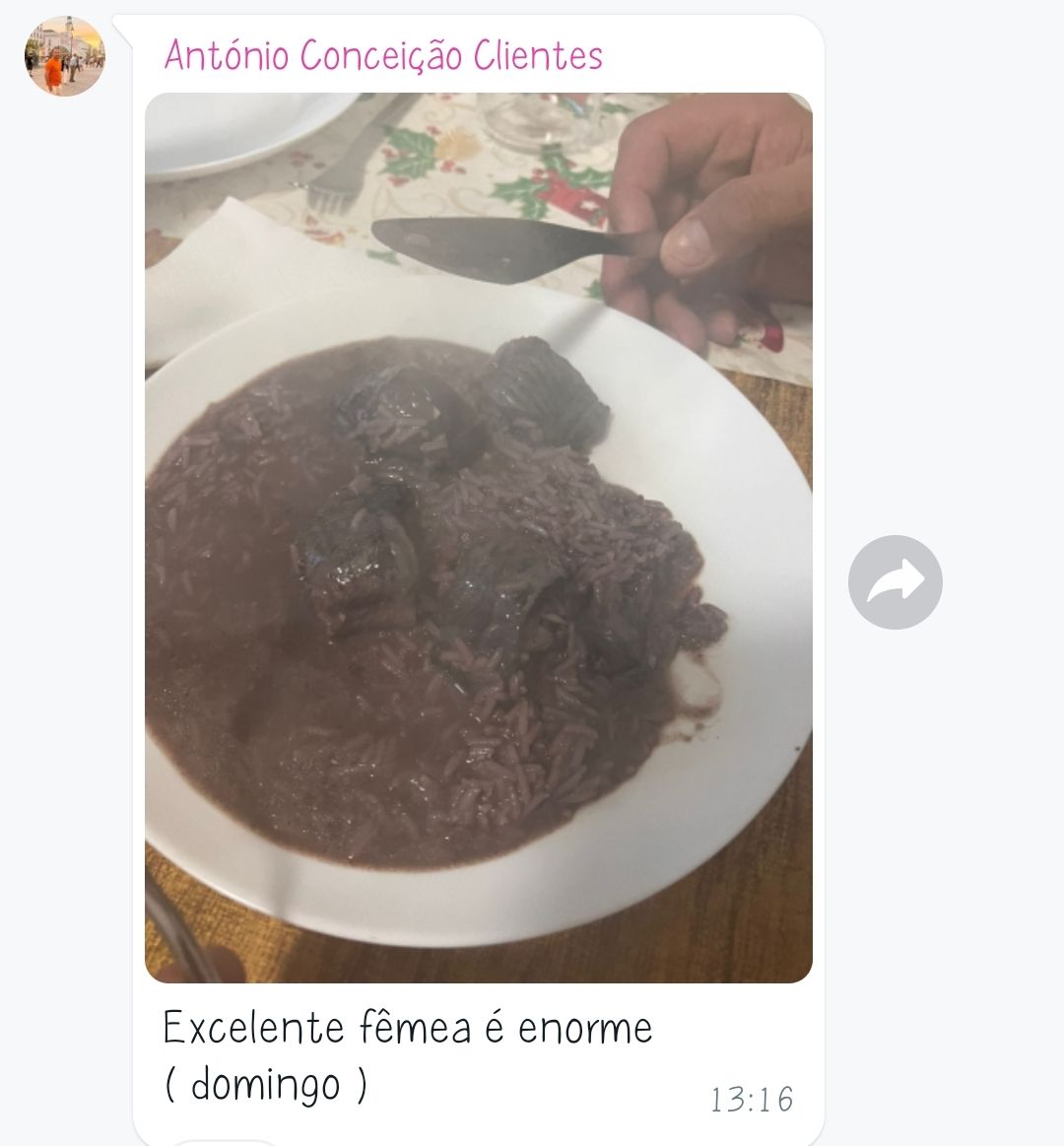
At Karapau, we understand that adding value is one of the most effective forms of sustainability. When a customer sees lamprey or elvers not just as food, but as a delicacy with history, tradition, and sophistication, it changes the way they consume them.
It begins to serve with rigor, making the most of every fragment, sharing it in meaningful moments. In this way, the perceived value becomes a barrier against waste. The product ceases to be just a product and becomes cultural memory and environmental responsibility.
Sophistication with responsibility.
The customer as a co-author of sustainability.
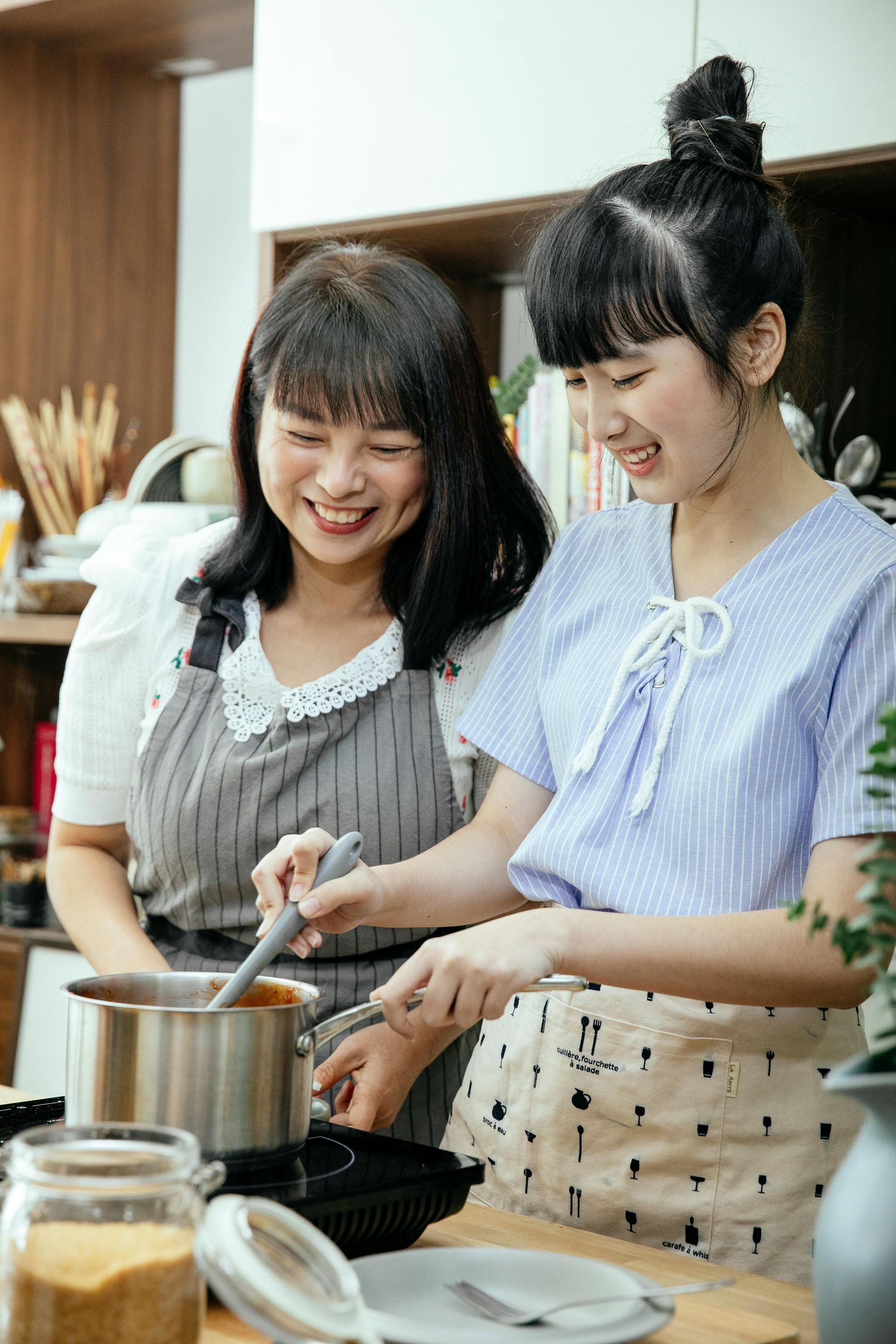
The sustainability cycle doesn't end with production. It's completed at the table, in the gesture of the consumer. At Karapau, we believe that every customer is a co-author of this responsibility.
Conscious consumption is not about restriction, but about sophistication. It's the ability to choose well, to avoid excess, to appreciate every detail. By reusing packaging, repurposing boxes, and savoring without haste, the customer confirms their belonging to a universe where pleasure and awareness complement each other.
This gesture represents a profound change: the act of consumption ceases to be banal and transforms into a cultural statement. The customer is not merely a recipient—they are an active participant in shaping the future.